
“Is there anything of which one can say, ‘Look! This is something new?’”
The question comes from Ecclesiastes, which offers its own answer. “Nothing is new under the sun.”’
That may be one of the most useful ways to understand the wave of antisemitism spreading through the social media age. The technology is new, and the speed is new, but the hatred itself is not.
We saw that happen in Nashville recently when Amy-Jill Levine, a Jewish scholar and professor emerita at Vanderbilt University, was elected president of the Catholic Biblical Association (CBA).
The response should have been a moment of celebration. Levine has worked with the association for more than 30 years and is exceptionally qualified for the role. She has taught in numerous Roman Catholic settings, including becoming the first Jew to teach a New Testament course at the Pontifical Biblical Institute in Rome. Her scholarship sits at the intersection of Jewish studies and Christian biblical interpretation, giving her a perspective uniquely equipped to build understanding between our peoples.
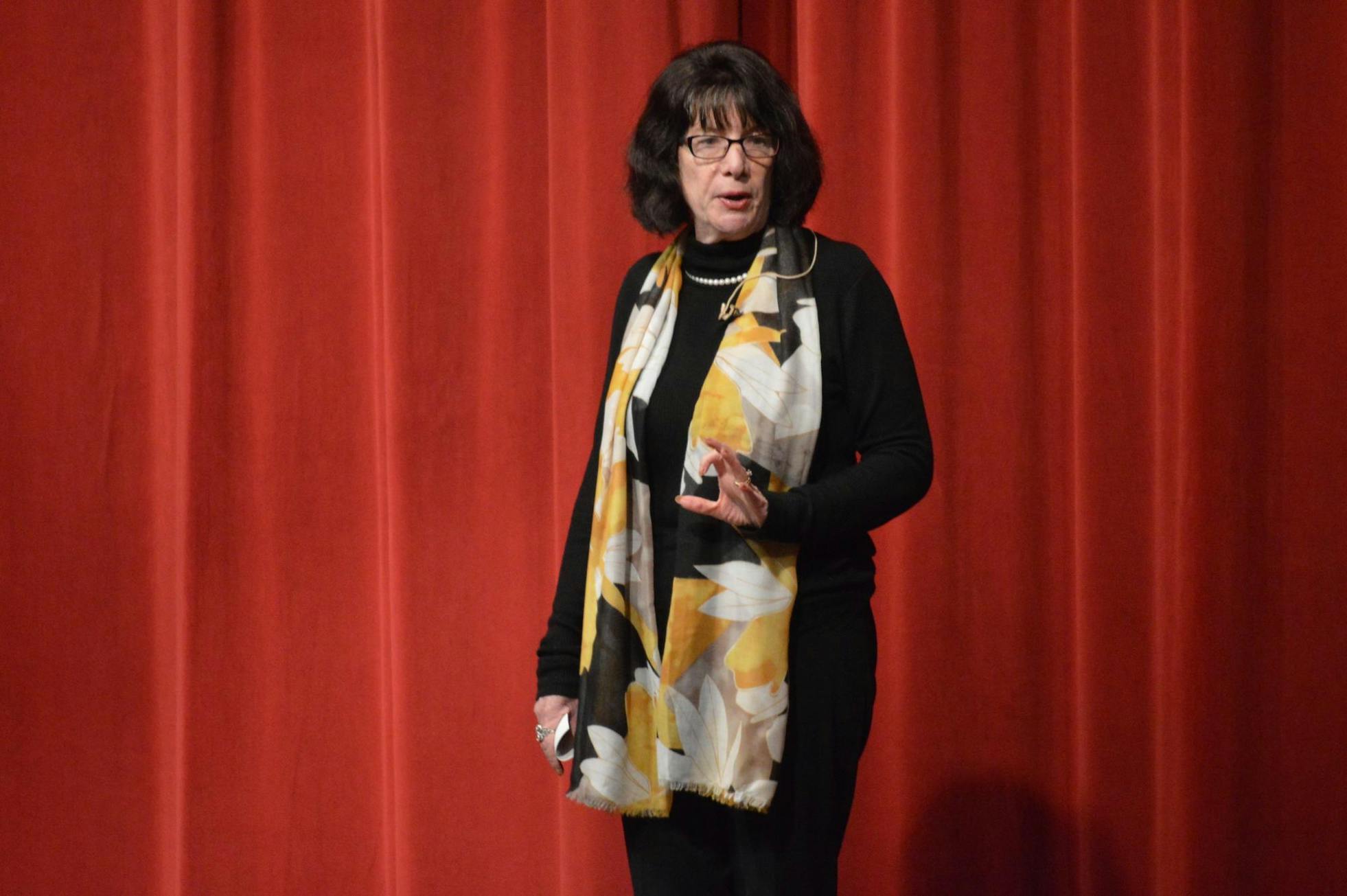
The election of such a qualified scholar seemed like a natural choice. But, of course, there was one problem.
She is a Jew.
What followed after Levine’s ascendency instead was a multipronged antisemitic campaign. Through social media, videos, blogs and an organized letter-writing effort, people have called for her removal from the CBA. Much of the abuse has appeared on Levine’s Facebook page, where she has been called a “baby-eater,” the “antichrist,” “satanic,” and much worse.
Levine told us that her daughter, who manages her Facebook page, has had to scrub the page every few hours and block the hate.
For Levine, none of this was surprising. She pointed out that the “baby-eater” accusation is simply the latest version of the blood libel, one of the oldest and most vicious anti-Jewish tropes. For centuries, false accusations that Jews were murdering Christian children for religious rituals or using their blood to make matzah fueled anti-Jewish sentiment, often with catastrophic results. The technology behind the spreading of these lies may have changed, but the story remains the same.
Levine was not elected because she is Jewish. In fact, she is quick to make that distinction.
The Jewish Observer is published by The Jewish Federation of Greater Nashville and made possible by funds raised in the Jewish Federation Annual Campaign. Become a supporter today.
“I was not elected because I am a ‘Jewish scholar’ any more than I was elected because I am a wife or a mother or a knitter,” she said. “I was elected because I am a scholar who has worked for over thirty years with the Association.”
Levine sees education as one of the best ways to push back and she is willing to point out that this is a two-way street.
“I think it would be good for Jews to know more about Christianity than Santa and the Easter Bunny,” she told us. “It would be good for Christians to know more about Jews than Fiddler on the Roof and Anne Frank.”
At the same time, Levine said Jews can hold misconceptions about Christians too. Some Jews assume that all Christians want to convert Jews or kill them, or that Christianity has no connection to Judaism.
“We do not know our common roots, and we hold false views of each other,” she said.
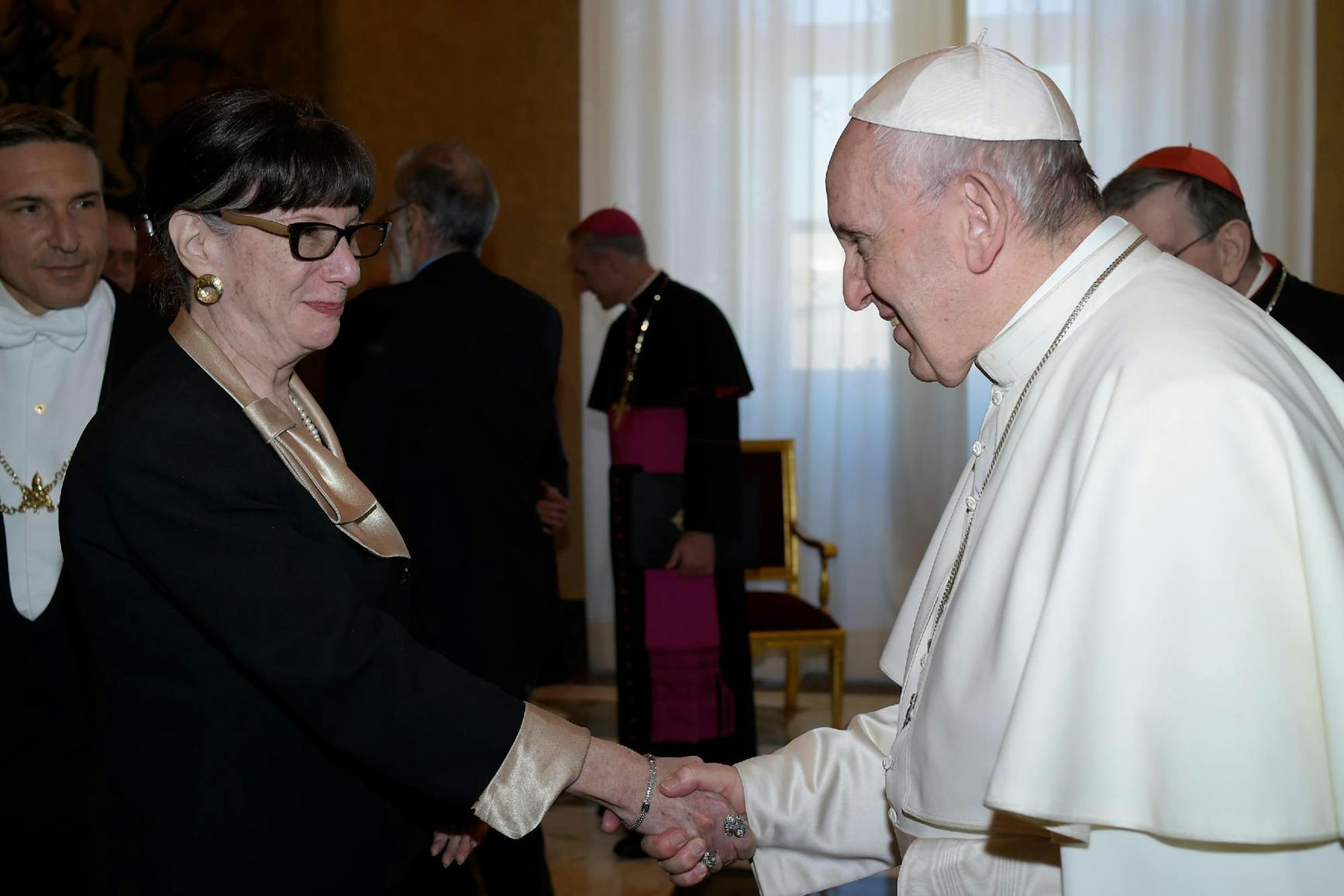
That is where education becomes more than an academic exercise. It becomes a way of making it harder for old hatred to take root, and education works best by building and fostering strong relationships.
Nashville has given Levine plenty of opportunities to build them. She has spoken at synagogues and local churches, bringing Christians into Jewish spaces and creating opportunities for people to learn about one another.
“Years of speaking at local churches have helped Christians understand our common roots, how we came to differ, how we read the same biblical stories differently, and how interpretation is enriched when different voices participate,” she said.
After her election, the Rev. Dr. Deborah A. Appler, a professor emerita of Hebrew Bible and a United Methodist pastor, wrote to Levine. “I am a better scholar and pastor because I have worked with you and learned from you.”
That is what Jewish-Christian relationships can look like. People who learn about one another and listen, learn and ask questions are better for it.
That is a very different response to religious difference than an online hate campaign.
Levine’s story brings us back to Ecclesiastes: there may be nothing new under the sun. From misunderstandings to blood libel, conspiracy theories and accusations of hate dressed up as religious truth, these ideas have been with us for centuries. What has changed is the technology and the speed with which they can spread.
But there is something else under that sun: the work of people learning from one another and building relationships across differences. That work may be harder and much less visible than an online hate campaign, but it is also part of the long story. It is the work that makes old hatred harder to take root.
Jewish and Christian communities have far more history connecting them than separating them. We can ask questions, study together, learn from one another, and stay curious about what we do not yet understand. We can know one another as people instead of relying on assumptions about one another.
While there may be nothing new under the sun, what we choose to build under it is up to us.