
For nearly 4,000 years, Jewish communities around the world have created objects to mark sacred moments, celebrate holidays and bring ritual into everyday life.
Beginning Oct. 30, the Nashville community has the opportunity to see more than 130 of those objects in “Beauty and Ritual: Judaica from the Jewish Museum, New York,” coming to the Frist Art Museum through Feb. 7, 2027.
Pieces come from the world-renowned collection of the Jewish Museum in New York City and features Judaica from six continents. The exhibit highlights the artistic traditions of Jewish communities from South Asia and North Africa to Western Europe, Australia, North and South America.
“I’ve never worked on an exhibition you can truly say is global,” said Trinita Kennedy, Frist Art Museum curator-at-large.
Seth Feman, executive director and CEO of the Frist Art Museum, first saw a version of the exhibition at the Museum of Fine Arts, Houston, in 2022, shortly after joining the Frist. He said it belonged in Nashville.
“I instantly appreciated how this show not only demonstrates the Jewish faith’s global traditions but also offered an opportunity to reflect Nashville’s own vibrant Jewish community,” he said. “Sharing these living traditions and cultures through art makes them tangible rather than abstract.”
The exhibition is organized into three sections, beginning with the communal space of the synagogue, next the Jewish home, and then to the Hanukkah menorah.
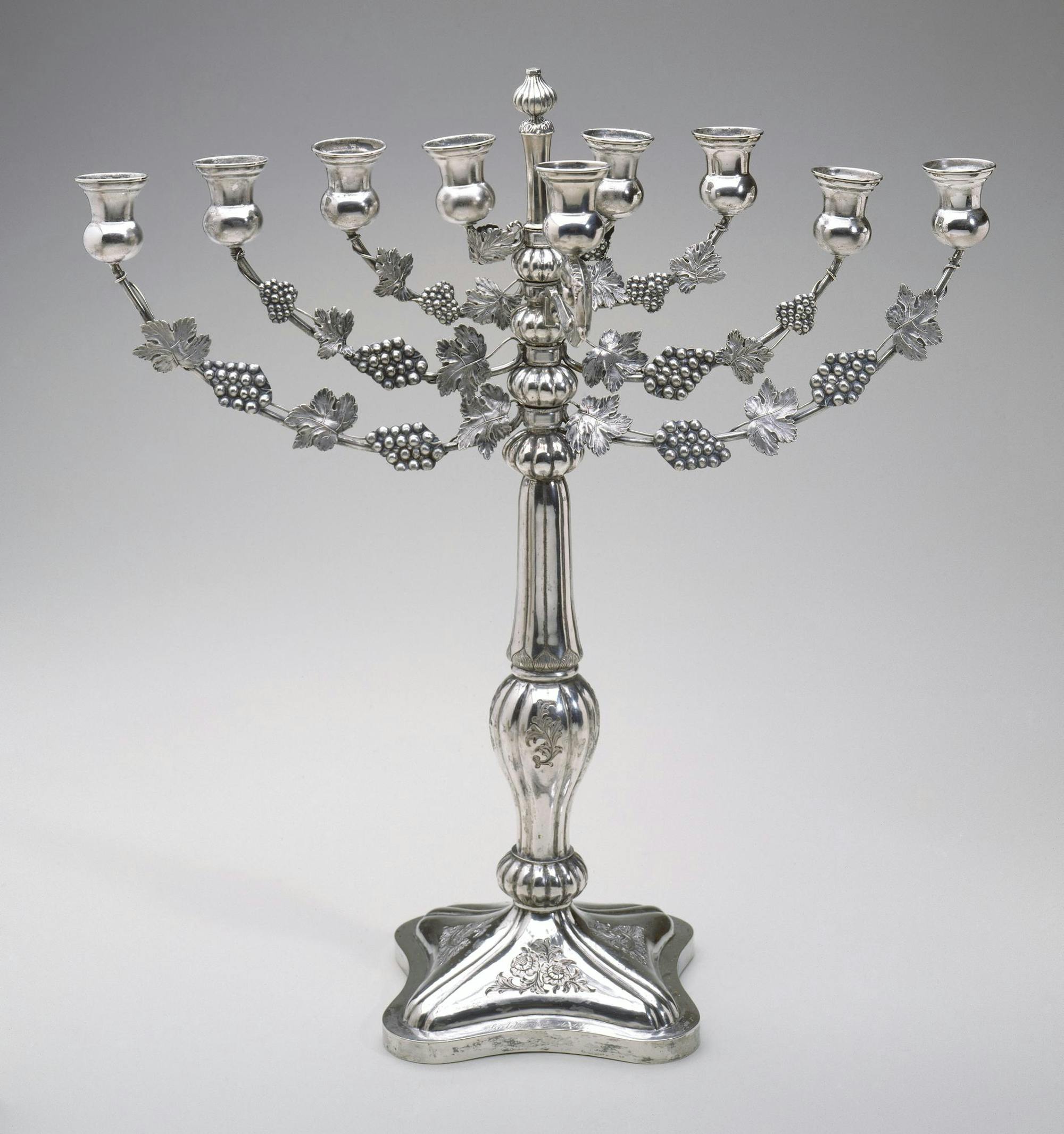
The first section, “The Art of the Synagogue: Adorning the Torah,” focuses on the objects used to decorate and protect the Torah, including crowns, pointers and covers.
The second section, “A Day of Rest: The Splendor of the Sabbath at Home,” moves into the domestic setting, exploring objects connected to Shabbat, the Jewish day of rest.
The exhibition concludes with “Beyond the Synagogue and the Home: The Radiance of the Hanukkah Menorah.” The Jewish Museum has more than 1,000 Hanukkah lamps in its collection, one of the largest collections the world. The Frist exhibition will feature approximately 25 to 30 menorahs and coincide with the festival of lights.
While the exhibition displays objects from around the world, it was important to Kennedy to include the Nashville Jewish community in telling the story.
“Originally with the exhibition, I had wanted to add objects from local collections, and we quickly realized the exhibition is so big and will fill the galleries, so we didn’t have room for that,” she said.
Instead, the museum hosted a community gathering in May, bringing together members of Nashville’s Jewish community to discuss ways to incorporate local voices into the exhibition.
For longtime Frist Docent and member of Nashville’s Jewish community, Teri Cohen, the opportunity to see the exhibition come to Nashville is especially meaningful.
“I am excited that the museum is involving various people in the community to offer input and be involved in the exhibit,” Cohen said. “I love studying and learning about new exhibits coming to The Frist and can't wait to show the art in this collection to all the visitors who come to visit our gem of a museum.”
Each section also will feature a video created with Nashville participants. Congregation Micah is collaborating on a video showing the dressing of the Torah. Local baker Liza of Liza’s Loaves will demonstrate challah braiding in a video connected to the Shabbat section. For the Hanukkah section, an East Nashville family will recreate a night of Hanukkah, offering a glimpse of food, singing, and traditions.
Feman said the local participation was intentional.
“In collaboration with Jewish community members here in Nashville, our team built an audio guide, videos, and public programs that highlight how this ancient, global history is lived locally today,” he said.
For Kennedy, the exhibition provides an opportunity to introduce visitors who may know little about Judaism to the breadth and diversity of its history and practice.
“We realize that most of our visitors to the exhibition will not be Jewish and we’re hoping for a broad audience,” she said. “Part of the reason for doing the exhibition is to create connection and dialogue.”
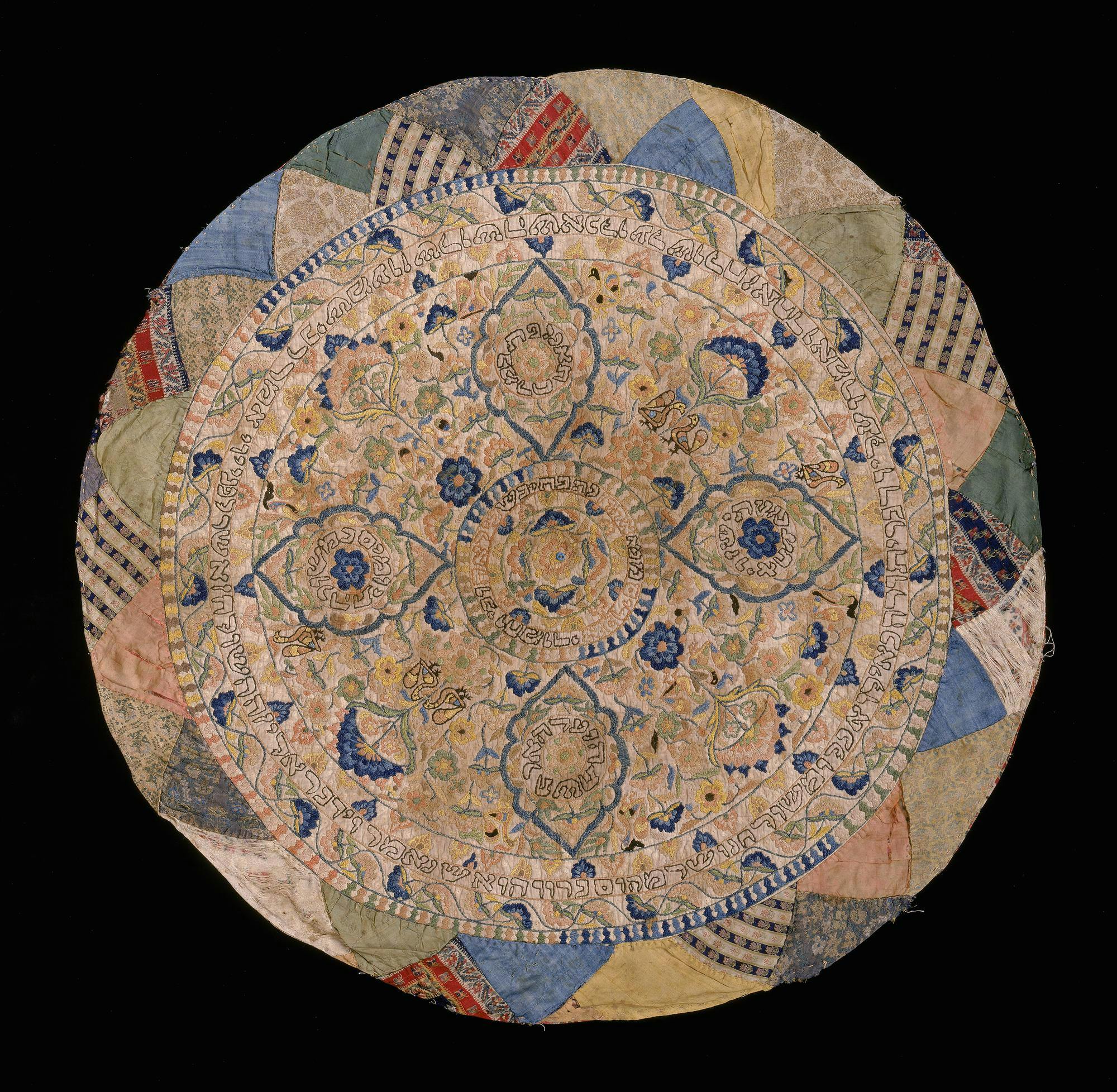
One of the objects on display is a silver menorah that illustrates the complicated history behind the survival of Judaica. Kennedy said the menorah was likely from Germany and was formerly in Danzig, now Gdansk, Poland. In 1938, the Great Synagogue in Danzig arranged for its ceremonial objects to be sent to New York for safekeeping. Less than a year later, the synagogue was destroyed by the Nazis.
The Jewish Observer is published by The Jewish Federation of Greater Nashville and made possible by funds raised in the Jewish Federation Annual Campaign. Become a supporter today.
“The Jewish Museum has been the repository of Judaica that survived the Holocaust,” Kennedy said. ““The idea was that after the war all of the ceremonial objects would return but unfortunately the Jewish community was largely eradicated in Danzig and the objects ended up becoming part of the collection in New York.”
In her work with this exhibit, Kennedy said she’s been amazed by Judaism.
“It’s an ancient religion and yet it’s survived all the way to the present day, despite all these hardships,” she said. “And the Nashville Jewish community is growing and there’s a lot of really fascinating history in the exhibition as well.”