
“Our goal is to close down,” said the head of the academy on my very first day.
“We fill the gaps left by the education system. The moment the education system learns to embrace curiosity, open-hearted learning, and holistic experiences, there will be no need for us. But until then – we have a crucial role in shaping Israel’s youth and its future.”
In Israel, between high school graduation and joining the army, a unique phenomenon has taken root —mechinot (pre-military academies) and shnat sherut (a year of national service). Young Israelis choose to dedicate a full year to volunteering, deep learning, and exploring questions of identity, belonging, and values.
The word mechina literally means “preparation,” but in practice it’s not just preparation for the army — it’s preparation for life itself.
It’s a year devoted to understanding not only how to do things, but why. what it means to be part of a society, a nation, a community.
These academies cultivate a generation of thoughtful, socially engaged, and responsible citizens with the courage and capacity to lead.
Graduates enter the army with emotional maturity, social awareness, and a broad worldview. Unsurprisingly, many become officers, commanders, and changemakers — both during and long after their service.
A Microcosm of Israeli Society
In an age of polarization and division, the mechinot and shnat sherut programs stand as islands of connection, dialogue, and mutual responsibility.
One of the most profound aspects of this year is the human encounter. Groups are composed of young people from every part of Israeli society — a teen from Tel Aviv shares a room with one from the periphery, Ashkenazi with Ethiopian, Jew with Arab, religious with secular.
For many, it’s the first time they truly meet “the other” — not through headlines or stereotypes, but through conversations, shared projects, and daily life together.
They might not agree with each other, but they learn how to talk to someone who thinks differently, to challenge assumptions, experience of learning from someone else and to build a shared language of listening, respect, and partnership.
Service Before Service
Alongside the mechinot, the shnat sherut (year of service) programs play a vital role in shaping Israel’s younger generation.
Every year, thousands of young people choose to devote a full year to meaningful volunteer work — in schools, youth movements, nonprofits, and underprivileged communities throughout the country.
They live communally, sharing a home, cooking together, and taking collective responsibility for the rhythms and challenges of daily life.
Within this setting, they learn how to set boundaries, address tensions, and hold honest, thoughtful conversations about issues that matter to them.
Beyond their day-to-day volunteering, many shnat sherut programs also weave in educational components, much like the mechina experience, offering participants opportunities for reflection, growth, and deeper understanding of the society they serve.
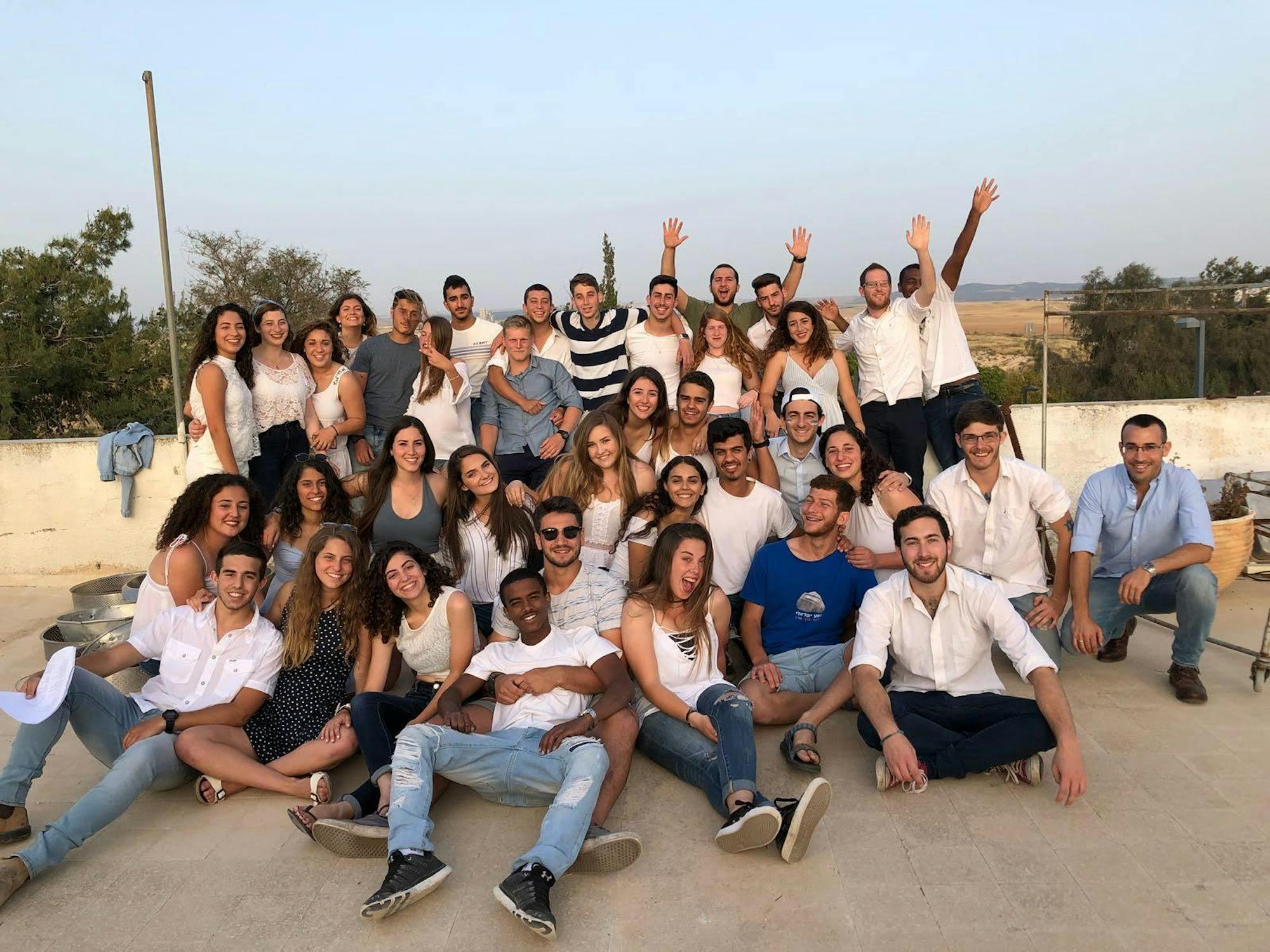
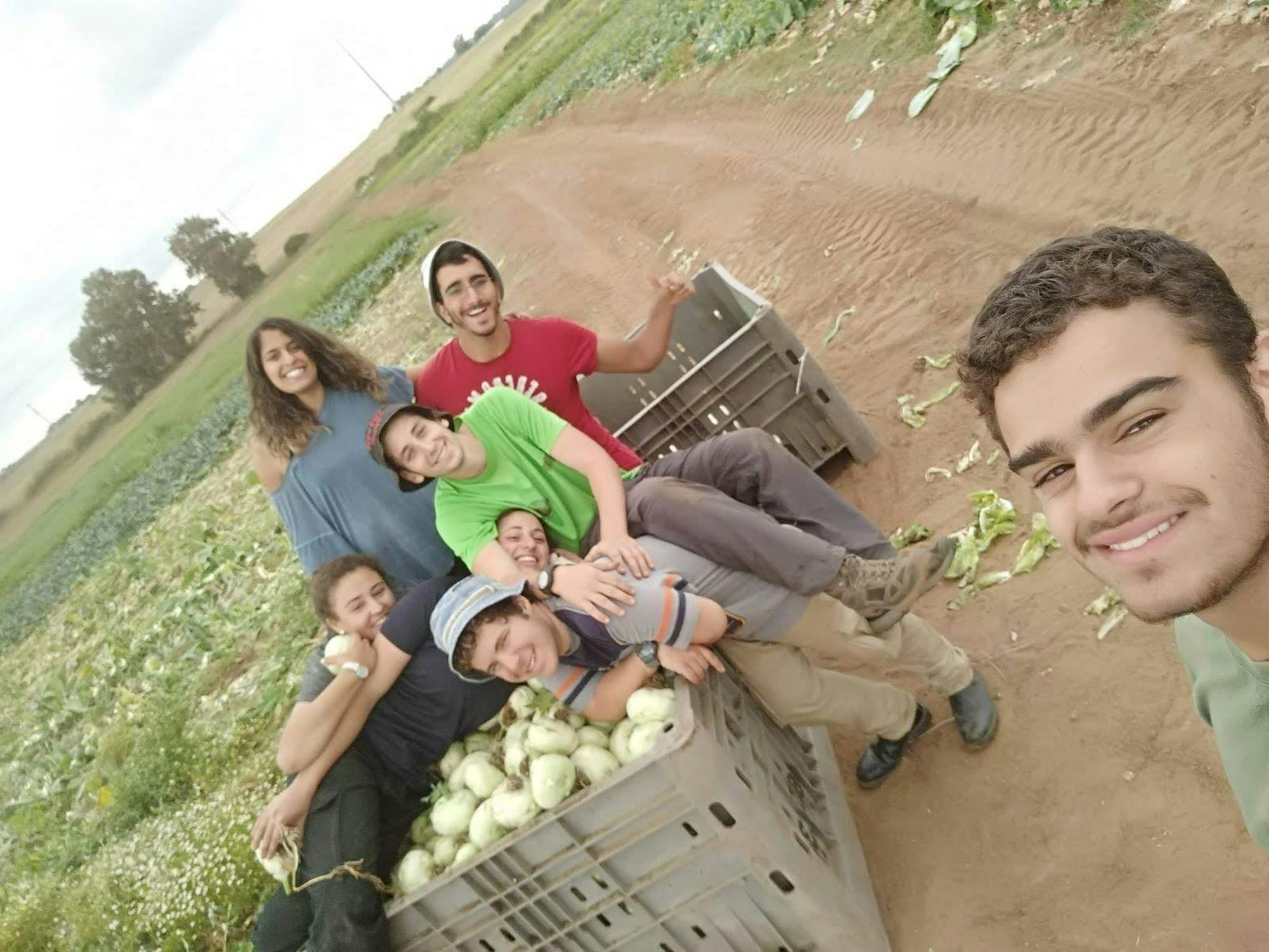
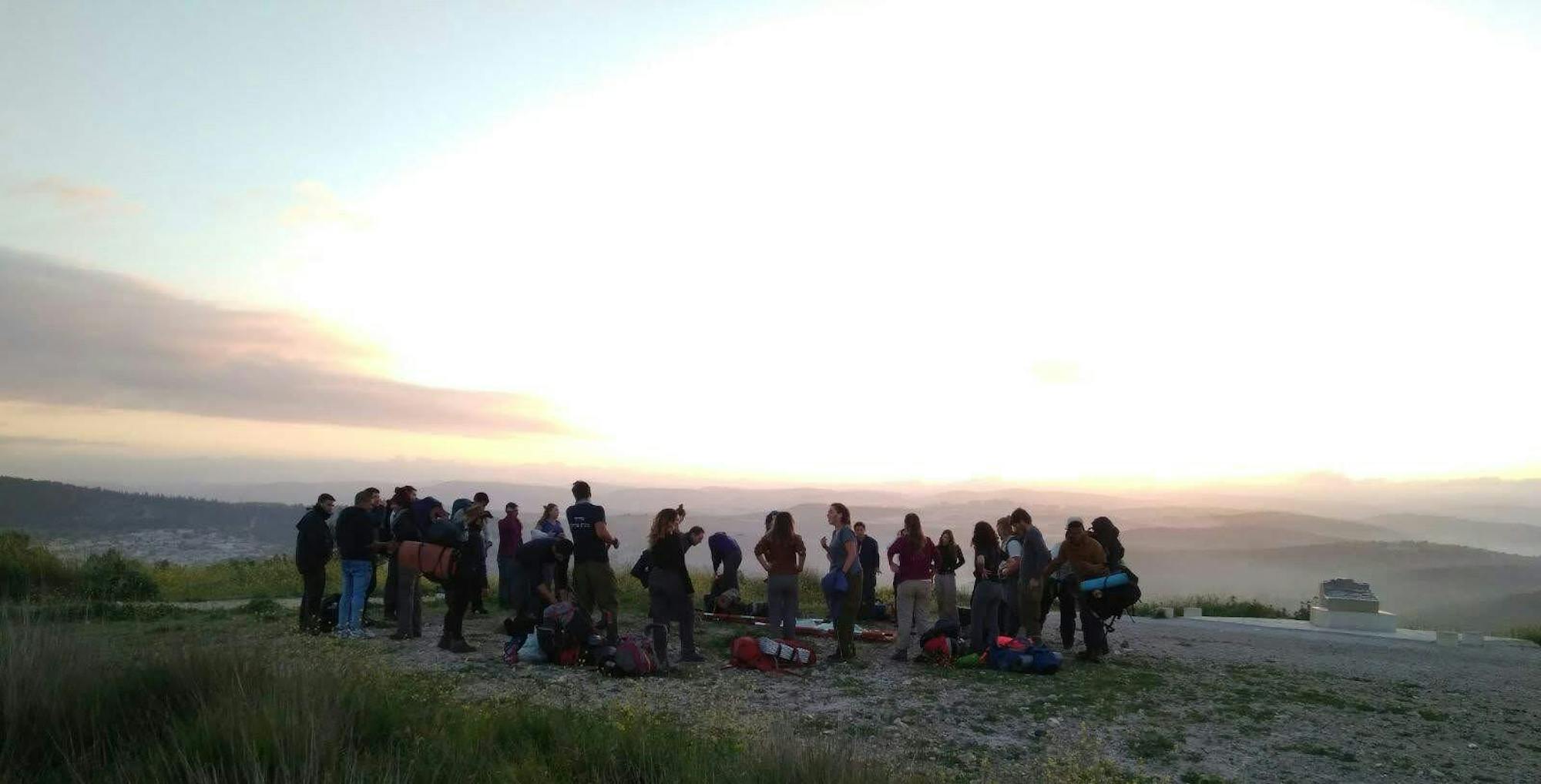
Mechinat Nachshon – The Year That Changed my life.
Just one year — but more meaningful than all my previous years of schooling combined.
I chose to join Mechinat Nachshon at Kibbutz Shoval — Israel’s first secular mechina.
Nachshon’s unique model is based on alternating “inward” and “outward” weeks:
- Inward Week is dedicated to ongoing subjects like philosophy, Jewish studies, Israeli society, volunteer work on the kibbutz, physical training, etc.
-
Outward Week breaks the routine. Each week focuses on a specific topic or region.
We spent the entire week traveling, meeting people, and learning directly from the field.
We explored the Galilee, the Negev, Jerusalem, and Judea and Samaria — not through newspapers, but through encounters and experiences.
That year was the most significant leap in my personal growth.
I engage with topics I have never encountered before to learn about them deeply, form an opinion, and decide whether they are part of my life. And if not, to hold a solid opinion based on experience, not on assumption or fear.
It was the first time I led a group, tried to persuade others with my point of view, raised my hand and said, “I disagree” — and explained why.
I experienced others challenging me, and I learned to truly listen because maybe I am wrong.
I experienced changing my mind, what a rare and special experience that is.
To be humble, open, and willing to grow.
In one line — I learned to love learning.
The mechinot and shnat sherut programs are among Israel’s most remarkable social innovations.
In a world where apathy is easy, they choose connection. Where isolation is tempting, they teach shared responsibility.
The Jewish Observer is published by The Jewish Federation of Greater Nashville and made possible by funds raised in the Jewish Federation Annual Campaign. Become a supporter today.